A sudden lockout tends to expose how fragile our access systems are and how valuable a good locksmith can be. This piece explores What Locksmiths Do for Auto, Residential, and Commercial needs and focuses on practical steps, realistic expectations, and the techniques pros use. For anyone typing locksmith near me into a phone, this guide clarifies pricing drivers, common procedures, and how to avoid unnecessary replacements.
First steps a locksmith takes on an auto lockout call.
When a typical car locksmith gets your call, the first things they do are triage and identity checks. Giving the technician the model year and whether the key is smart or traditional changes the plan dramatically. When the problem is a dead key fob, experienced technicians test the fob, check the battery, and examine whether the transponder still communicates with the car.
A professional who works on vehicles arrives with visible credentials and a well stocked van so you can confirm legitimacy on the spot. If access is straightforward, they will use non-destructive methods like lock picks or an air wedge combined with a long reach tool. Sometimes the fastest, cheapest option is not the least invasive, and a technician should be honest about that trade-off up front.
Residential locksmith visits, common tasks, and when rekeying makes sense.
Residential jobs tend to cluster around three needs: getting you back in, fixing or replacing damaged hardware, and improving security. If access is not contested and the lock is serviceable, rekeying the cylinder is often faster and cheaper than replacing the whole deadbolt. Homeowners are often better served by rekeying after a tenant move-out or a lost key incident, because it retains existing hardware while changing who can open the door.
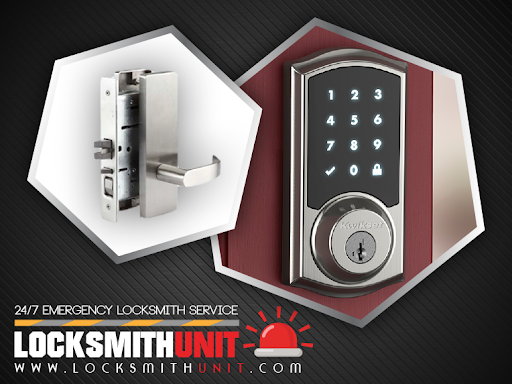
A technician chooses new hardware based on ANSI grade, the level of key control you need, and whether your door and frame can support deadbolts properly. If you want keyed-alike locks, the locksmith can match multiple cylinders to a single lockout services in Orlando Florida - Locksmith Unit key or supply master keyed systems for small businesses.
How commercial locksmithing focuses on access control and business continuity.
Commercial work often emphasizes access control, compliance, and minimizing downtime more than simple lock replacement. Common commercial services include rekeying suites, servicing panic hardware, installing electronic strikes, and programming keycard systems. Higher security comes with higher cost and often a need for documented key issuance procedures.
Steps technicians take to supply a new key or fob.
Replacing a car key depends on whether the key is mechanical, transponder, or a smart key with proximity features. Programming may require two working keys for some models or a sequence that the locksmith performs with the ignition and onboard modules. If your vehicle supports remote keyless entry, expect a wider price range because some fobs are OEM-priced steeply.
Sourcing a used original fob and having it reprogrammed can cut costs, but it carries risks such as previous key association and wear. Completely keyless situations are more complex and may escalate to the dealer, which increases time and cost but is sometimes the only path for certain late-model cars.
What tools you will see in a locksmith's van and why they matter.
A well stocked locksmith van contains picks, plug spinners, bump keys, key cutting machines, fob programmers, and a selection of cylinders. Using the right tool correctly requires practice and knowledge of vehicle and door construction to avoid costly mistakes. Transparent paperwork builds trust and protects both the customer and the technician against disputes.
How to estimate time and cost for common services.
Residential lockouts on standard deadbolts at daytime calls often cost less than emergency night calls or advanced transponder programming. For many lockouts, a technician can restore access in under an hour, but key cloning or programming adds time and sometimes an additional visit if parts are not on the van. Always ask for an estimate before work begins and whether the quoted price includes parts, travel, and any warranty.
Safety, identification, and how to verify a locksmith's legitimacy.
If something feels off, refuse service and call a different provider or local authorities as needed. A legitimate locksmith will accept common payment methods and provide a receipt describing the work done and parts used, plus any warranty details. Contractor insurance is not universal, so asking ahead of time prevents surprises after a costly mistake.
Deciding between a local locksmith and a dealer service.
If your vehicle requires manufacturer-only programming, the dealer may be the only option; otherwise, a qualified locksmith often offers faster and cheaper service. Avoid providers that refuse to provide company identification or that pressure you into extra charges on site. Emergency calls are expensive by nature, but transparency lets you make an informed choice.
Practical tips to avoid lockouts and lower long term locksmith costs.
A few well placed spare keys save both money and stress compared with repeated emergency calls for car lockout service. Preventive maintenance on doors and cylinders reduces the likelihood of breakage and the need for costly immediate replacements. If you manage a property with many keys, standardize on a restricted key system and maintain a clear log so move-outs and lost keys do not create confused rekeying emergencies.
Final practical checklist for hiring a locksmith and what to expect after the job.
Before any technician arrives, clear questions about price, paperwork, and proof of credentials help you choose the right provider and avoid surprises. If damage occurs, photograph it immediately and address it with the company and, if necessary, your insurer. The best technicians resolve problems efficiently, explain the trade-offs, and leave you with secure, functioning hardware and clear paperwork.